LiCAP, Nissan partner in battery production
US-based battery materials and dry electrode technology firm LiCAP Technologies has partnered with automaker Nissan to develop a cheaper production process technology for the cathode electrode of all-solid-state batteries (ASSBs).
The Nissan partnership will see the companies work together to establish dry electrode production and commercialisation of ASSBs. Solid-state batteries use solid electrolytes rather than the liquid ones that conventional lithium-ion batteries use.
Dry-process electrodes (as opposed to solvent-process electrodes) shorten production time by cutting out the drying and solvent recovery process, reducing manufacturing cost and environmental impact.
However, the process’s comparative inefficiency in mass production is a challenge that LiCAP seeks to address with its Activated Dry Electrode technology. LiCAP said working with Nissan will accelerate its technology development, which will be used in next-generation Nissan EVs equipped with high-performance ASSBs.
In January this year, Nissan began operating its ASSB pilot line and it aims to launch EVs with ASSBs developed in-house by fiscal year 2028.
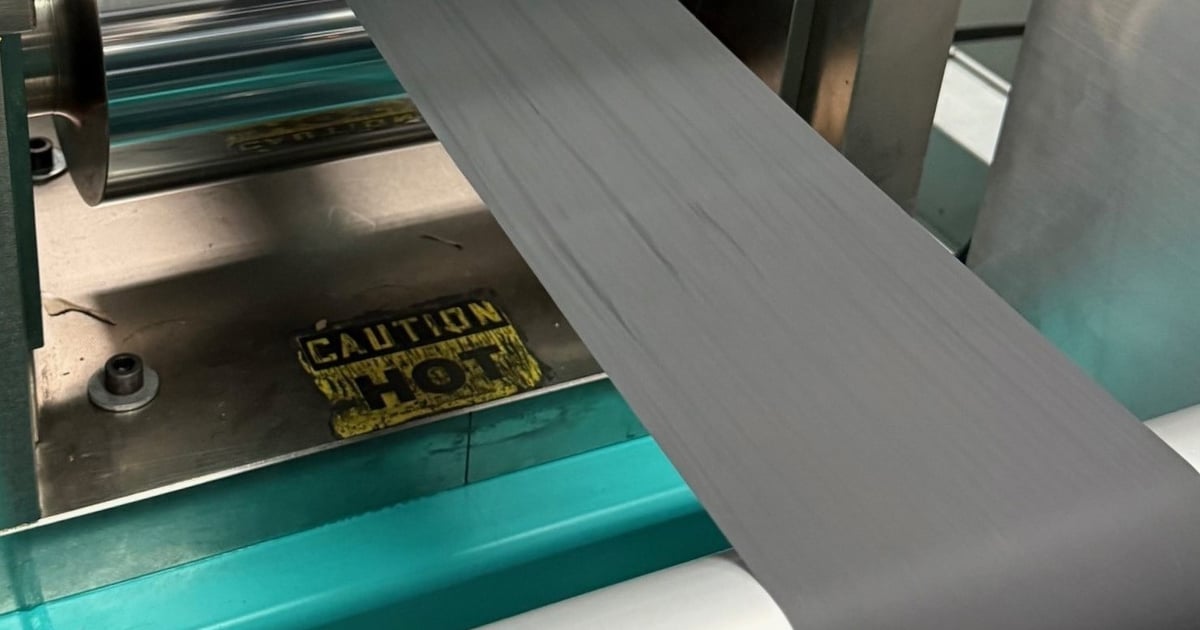
In July, LiCAP produced its first roll of free-standing cathode film using its Activated Dry Technology at a new 300MWh manufacturing facility in California.
The facility was developed under a California Energy Commission (CEC)- funded initiative to drive innovation in energy storage. Solid state battery technologies hold promise for both EV and energy storage system (ESS) applications with potential for superior energy density, charging time, safety and longevity.
The dry electrode production process further promises to make EV battery manufacturing more cost-effective and sustainable. This will allow car manufacturers to offer EVs at a lower price, reducing the cost barrier that consumers are often quick to cite.
While the US government recently scrapped its monetary incentives intended to outweigh the added cost of an EV (compared with an internal combustion engine (ICE) vehicle), the UK government has just introduced the Electric Car Grant to encourage EV uptake.
The criteria that makes a vehicle eligible for the grant, which is applied at the point of sale rather than as a reimbursement, requires zero emission cars that cost under £37,000 to buy new to have a minimum battery range of 100 miles/160km, come with a three-year or 60,000 mile warranty, be powered by a battery with an 8-year or 100,000 mile warranty, and meet minimum sustainability standards.
Nissan’s Micra and Ariya models are both eligible for the grant. The automaker’s investment in dry electrode production for solid state batteries sets it up to continue sustainable production of price accessible EVs.
link