Russia targets global seed, farming technology market
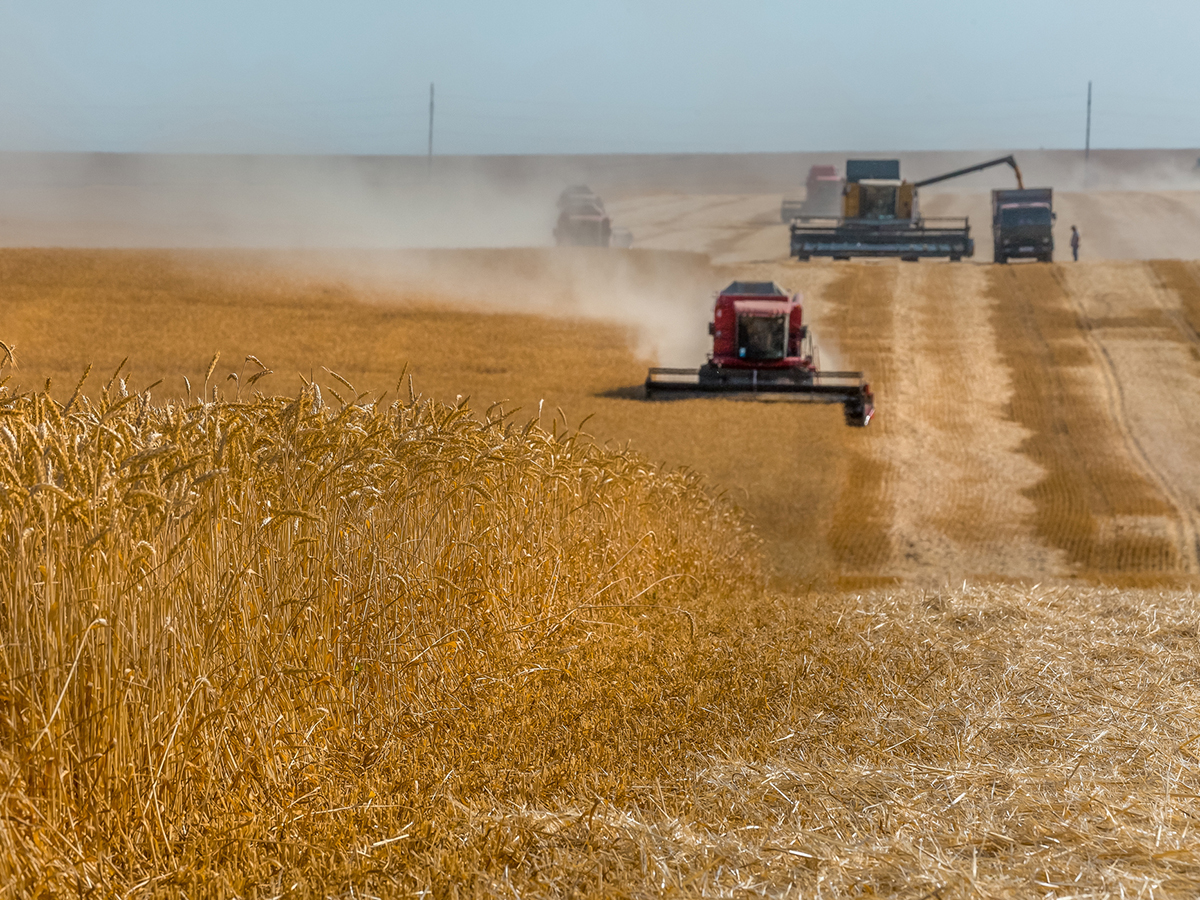
DUBAI (Reuters) — Russia, the world’s largest wheat exporter, plans to target global markets with its seeds and technologies to counter an expected shrinking of grain exports caused by increased production in other countries.
Agriculture minister Oksana Lut said the country was already discussing with Egypt, its main wheat customer, about how to use Russian seeds and technologies to increase production there and help it to strengthen that country’s food security.
“We understand that such a task will sooner or later be faced by any country in our world. Therefore, it is no longer enough to limit ourselves to simple trade in grain or oil and fat products,” Lut said.
Read Also

Population of cabbage seed pod weevil was ‘bananas’ in 2025
Saskatchewan canola growers were hit hard in 2025, and not just with tariffs. Bertha armyworm and cabbage seed pod weevils saw populations explode.
She said Russia, which historically used seeds mainly imported from Europe, had managed to raise self-sufficiency to 70 per cent last year from 60 per cent in 2022, and supplied domestically selected seeds to 35 countries in 2025.
“We envision the continuation of our co-operation in the development of joint technologies,” she said.
Russia is currently supplying 78 per cent of its wheat to traditional customers in the Middle East and Africa, mostly through the terminals located on the Black Sea, Lut said.
“The overwhelming majority of countries strive to ensure their own food security not only through controlled food supplies but also through their own production,” Lut said, stressing that Russia was ready to support this drive.
“To be under the illusion or in the paradigm that Russia will always supply grain or bulk vegetable oil groups to the markets of our partner countries is truly a misconception.”
Nonetheless, Russia aims to raise agricultural exports by 50 per cent by 2030, and Lut said the country still wanted to boost its grain exports to 80 million tonnes by the same deadline, up from 53 million tonnes in the 2024-25 marketing season.
The official grain export forecast for the current marketing season is 50 million tonnes.
She said Russia would seek to eliminate middlemen in its global grain trade and sell to end-chain customers directly, while developing new grain terminals in the Baltic and railroad supplies to the Far East.
Lut said trade through the Black Sea terminals, Russia’s main agricultural export gateway, has not decreased despite the war in Ukraine, which she described as the “current situation.”
Russia has also been increasing supplies through the Caspian Sea, which mainly go to Iran, another major buyer of Russian wheat, describing the Caspian as “also a difficult zone.”
The overall agricultural trade shipping capacity should grow by 25 per cent to 100 million tonnes by 2030, Lut said.

link
/tpg/sources/1569a165-a771-47f4-b1c4-fc3f898f6de3.jpeg "Mumbai Emerges As Global Hub For Tech And Education")